Details
Designing Rentals for Longer Stays and Remote Workers: How to Build Stable, High Quality Income
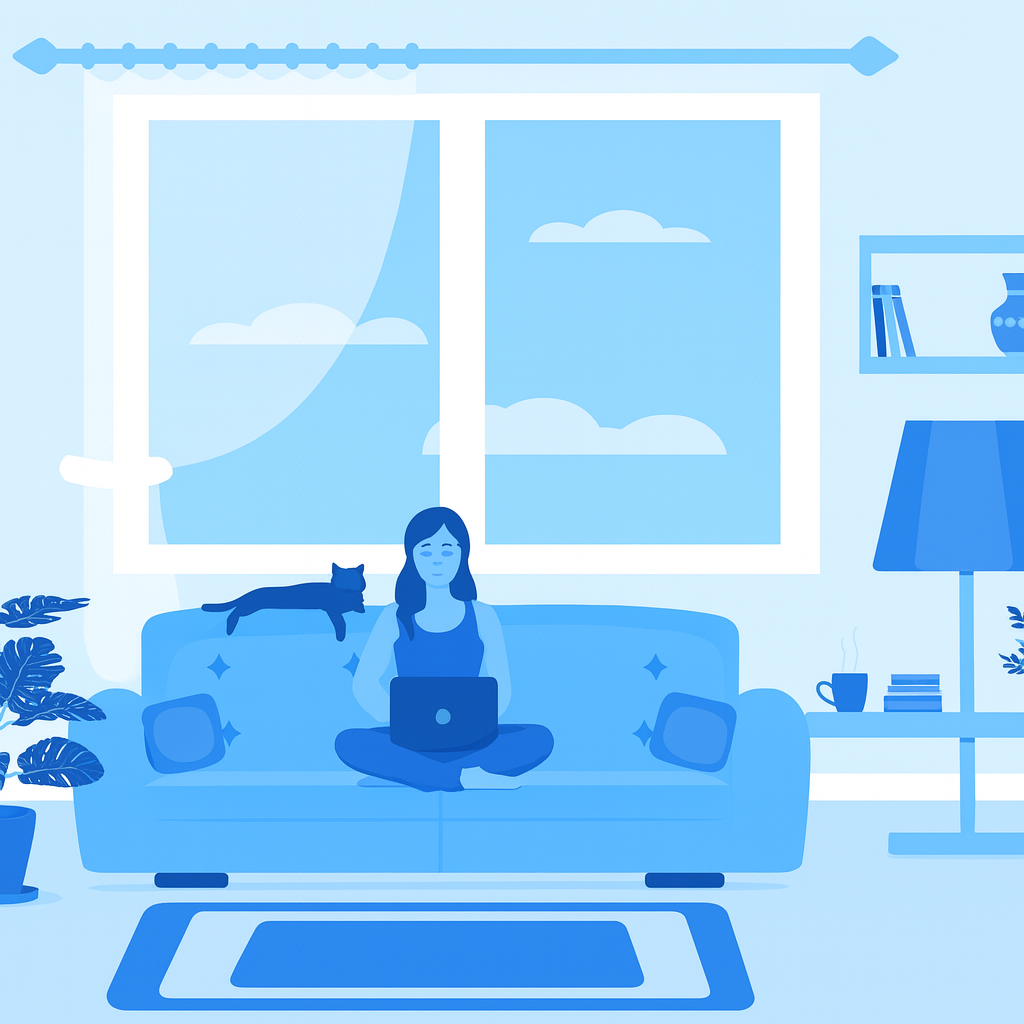
The short-term rental landscape is evolving, and one of the most significant shifts in recent years has been the rise of longer stay guests and remote workers. As flexible work arrangements become the norm rather than the exception, travelers are no longer just looking for a weekend getaway they're searching for spaces where they can live, work, and settle in comfortably for weeks or even months at a time. For hosts, this presents a powerful opportunity. Properties designed intentionally for longer stays tend to experience fewer turnovers, more predictable income, reduced operational strain, and often higher quality guests. But attracting this segment requires more than simply lowering prices for extended stays. It requires thoughtful design, functionality, and a guest experience built around comfort, productivity, and everyday living. Designing a rental that appeals to remote workers and longer stay guests means shifting your mindset. Instead of asking, “What looks good for a few nights?” you begin asking, “What would someone need to feel comfortable here for 30, 60, or 90 days?” The answer lies in creating a space that feels less like a vacation rental and more like a temporary home without sacrificing style or hospitality.
Why LongerStay Guests Matter for STR Hosts
Longer stays offer a level of stability that traditional short-term bookings often lack. Fewer checkins and checkouts reduce cleaning costs, minimize wear and tear from frequent turnovers, and significantly lower the risk of operational errors. Extended stay guests are also more likely to treat the property with care, establish routines, and communicate proactively with hosts. From a financial perspective, longer stays smooth out seasonal fluctuations and provide reliable monthly cash flow, particularly during offpeak periods when nightly demand softens. Remote workers, traveling professionals, and digital nomads are especially attractive guests because they value consistency, functionality, and quiet comfort over novelty. They are less focused on tourist amenities and more focused on daily usability, fast internet, a comfortable workspace, reliable appliances, and a sense of privacy. Hosts who adapt their properties to meet these needs position themselves to capture a growing segment of the market that prioritizes quality and livability.
One of the most critical features for attracting remote workers is a proper workspace. A dining table or kitchen counter may work for a short stay, but it quickly becomes uncomfortable for someone working fulltime. A dedicated desk area immediately signals that your property is designed with productivity in mind. This doesn’t require a separate office room; even a thoughtfully placed desk with adequate space, proper lighting, and a comfortable chair can make a significant difference.Ergonomics matter more than aesthetics for this audience. A sturdy desk, supportive chair, accessible power outlets, and space for a laptop and external monitor create a setup that guests can actually use for hours each day. Natural light is a major bonus, but task lighting is just as important for evening work. When guests see a listing photo that clearly shows a functional work area, it builds confidence that the space will support their routine rather than disrupt it.f there is one feature that can make or break your appeal to longer stay guests, it is internet quality. Remote workers depend on stable, fast WiFi for video calls, file uploads, and daily communication. Inconsistent connections, weak signals, or unclear information about internet speed are immediate red flags. Hosts targeting longer stays should invest in high speed internet, ideally with download speeds capable of supporting multiple devices simultaneously. Providing a mesh WiFi system can help ensure consistent coverage throughout the property. Just as important is transparency clearly stating your internet speed in the listing description reassures guests that you understand their needs. For many remote workers, reliable WiFi is more important than luxury decor or location.
Longer stay guests cook. A lot. A kitchen designed only for occasional use will quickly feel limiting to someone staying weeks at a time. To attract extended stays, your kitchen should be equipped for daily living, not just reheating leftovers.This means having a full set of cookware, sharp knives, adequate utensils, storage space, and appliances that function reliably. A proper coffee setup, pantry storage, and enough counter space for meal prep elevate the experience significantly. Small touches like quality cutting boards, basic spices, or a well-organized layout make the kitchen feel intentional rather than improvised. When guests feel comfortable cooking regularly, they are more likely to stay longer and treat the space as their own. Laundry is one of the most overlooked yet powerful amenities for longer stays. Guests staying several weeks do not want to rely on laundromats or external services. In unit laundry is ideal, but even shared or nearby laundry access clearly communicated adds significant value.A washer and dryer reduce friction in daily routines and signal that your property is designed for extended living. Providing basic supplies such as detergent, drying racks, or ironing equipment further enhances convenience. For longer stay guests, laundry access isn’t a luxury, it's a necessity.
Comfort, Storage, and a Sense of Home
Extended stays require more than functionality; they require comfort. Guests staying longer want space to unpack, organize their belongings, and settle in. Adequate closet space, dressers, and shelving help the property feel less transient and more livable. High-quality bedding, comfortable seating, and thoughtful lighting all contribute to a sense of home rather than a temporary stop.Noise control also becomes more important. Remote workers value quiet environments where they can focus without interruption. Soundproofing, white noise machines, or clear house rules that discourage disturbances help maintain a peaceful atmosphere. Temperature control, blackout curtains, and reliable heating or cooling systems further support daily comfort.
Design alone isn’t enough; you must also position your listing correctly. Offering weekly and monthly discounts signals that longer stays are welcome. Adjusting your minimum stay requirements during slower seasons can attract guests looking for stability rather than short visits. Listing descriptions should emphasize workfriendly features, livability, and comfort, using language that resonates with remote professionals rather than weekend tourists.Photos should showcase functional elements alongside design workspaces, kitchen setups, laundry areas, and storage solutions. The goal is to help guests envision themselves living and working in the space, not just visiting it. One of the advantages of longer stays is reduced turnover and fewer short-term issues. However, when something does go wrong, a damaged appliance, furniture issue, or guest-related incident the financial impact can be larger simply because the stay is longer. Protecting your property becomes even more important when guests are living in the space rather than passing through briefly.
Final Thoughts: Build Stable Income and Protect It with ClaimPilot+
Designing rentals for longer stays and remote workers is one of the smartest ways to create consistent, stable income in today’s short-term rental market. By adapting your space to support productivity, comfort, and everyday living, you attract higher quality guests, reduce operational strain, and smooth out seasonal revenue swings. Thoughtful design, functional amenities, and clear positioning allow your property to stand out in a competitive landscape while meeting the evolving needs of modern travelers.But even with longer stays and reliable guests, unexpected damage, accidents, or claim disputes can still occur and when they do, they can quickly cut into the stable income you’ve worked hard to build.
That’s where ClaimPilot+ comes in.
We help short-term rental hosts file, manage, and maximize damage claims, handling everything from evidence collection and documentation to communication with platforms, followups, and appeals. While you focus on designing better spaces, attracting longer stays, and growing your business, we make sure you’re not left covering costs you shouldn’t have to.
Our mission is simple:
👉 You focus on hosting. We’ll handle the stress.
With ClaimPilot+, you’re not just building long-term stays
you’re piloting your claims to success.
Explore More ClaimPilot+ Host Resources
- How Airbnb Search Works + Interior Design Trends That Boost Revenue
- Dynamic Pricing Strategies to Maximize STR Income
- How to Become and Maintain Superhost Status
- Smart Home Technology for Short-Term Rentals
- The Future of STR Design and Guest Experience
Visit ClaimPilotPlus.com to protect your rental business and achieve peak hosting performance.